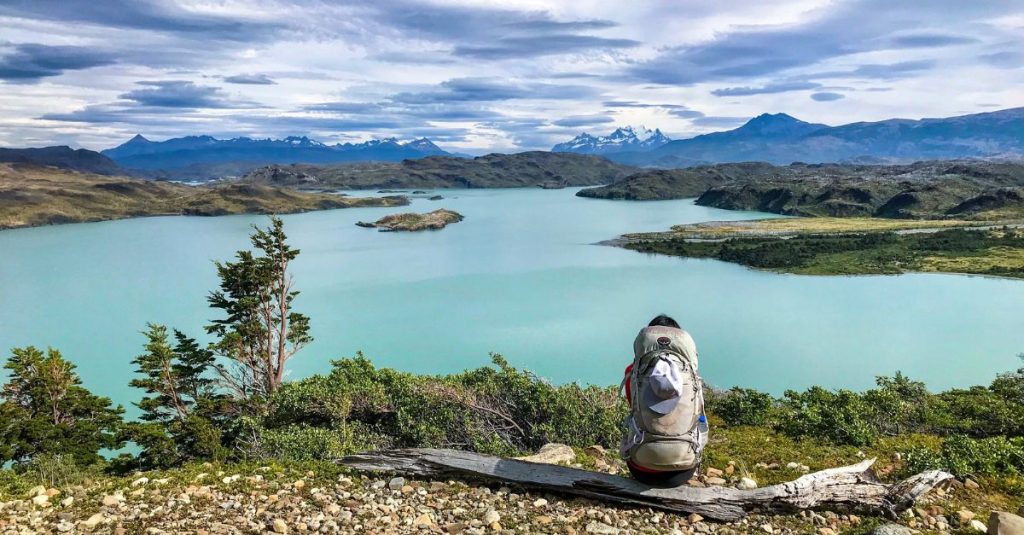


Patagonia is one of those bucket list destinations that lives rent-free in my mind. It’s wild, dramatic, and unbelievably beautiful — split between Chile and Argentina, where jagged peaks meet massive glaciers and the hiking trails are some of the best in the world.
I spent about two weeks exploring Patagonia, but you can absolutely experience the highlights with a well-paced 10-day itinerary. Below is how I’d structure a 10-day Patagonia trip based on my exact route and favorite stops, with no fluff — just the best parts. However, keep in mind the weather in Patagonia can be harsh and may impact your travel plans, so I’d highly recommend at least 2 weeks to accommodate to that if possible.
Where is Patagonia?
Patagonia spans the southern tip of South America across Chile and Argentina. On the Chilean side, you’ll find the famous Torres del Paine National Park and the iconic W Trek. Across the border in Argentina, El Chaltén and El Calafate deliver jaw-dropping views of Fitz Roy, Cerro Torre, and the Perito Moreno Glacier — the world’s third-largest glacier.
Best Time to Visit Patagonia
December through February is peak season — the weather is warmest, but so are the crowds (and the refugios book up fast). I recommend mid to late February or March when it’s still great for hiking but calmer and a little cheaper.
However, if you’re able to take two weeks off from work to manage a 16-day international trip, it’s typically recommended to do Patagonia in at least 2 weeks in case of bad weather. Read my full 16-day Ultimate Patagonia Guide here.
Patagonia 10-Day Itinerary
Day 1–2: Travel to Patagonia (Fly into Punta Arenas, Chile)
Getting to Patagonia takes time. From Los Angeles, I flew to Punta Arenas, Chile, with connections that stretched across two days. If you’re flying from elsewhere, plan for at least one full day of travel.
When you land in Punta Arenas, grab a bus ticket to Puerto Natales ($15 USD in 2018). This small town is your gateway to Torres del Paine and a common base for travelers.
Tip: If you’re visiting both sides of Patagonia (Chile and Argentina), book your bus ticket from Puerto Natales, Chile to El Calafate, Argentina ($64 USD) in advance.
Day 3: Cross the Border to Argentina (Puerto Natales → El Calafate)
The border crossing takes about six hours by bus, but the scenery makes it feel shorter. I stayed at America Del Sur Hostel in El Calafate — it’s one of my favorite hostels ever, with panoramic windows overlooking the mountains and an incredible sunrise view. I enjoyed it so much, I went back at the end of my trip as well, and it’s walkable from the bus station.
Day 4: Perito Moreno Glacier
Welcome to one of the most impressive glaciers on Earth, the 3rd largest glacier in the world actually.
The Perito Moreno Glacier in Los Glaciares National Park is massive and mesmerizing. You can either walk the viewing platforms or splurge on a glacier trekking tour — I did the full Big Ice Trek (3-5 hours on the glacier). It’s expensive and probably the highest single-priced item I paid for on my trip (minus flights) but a once-in-a-lifetime experience and I’m so glad I did it.
Click here to check availability and book your tour.
If you have time afterward, grab dinner at Casimiro Bigua. The ojo de bife (ribeye) with house Malbec was my favorite meal of the entire trip — and it’s under $25 USD.
Day 5: Travel to El Chaltén + Evening Hike
Catch the morning bus from El Calafate to El Chaltén (around 3.5–4 hours). You’ll get a quick orientation at the park visitor center before being dropped off in town.
El Chaltén is the cutest little mountain town you’ll ever see — full of bakeries, hikers, and postcard views.
If you arrive before sunset, stretch your legs on the Mirador de Los Cóndores y Las Águilas trails for quick panoramic views of the valley and Lago Viedma.
Stay at Rancho Grande Hostel — it’s affordable, social, and close to the trails.
Day 6: Hike to Fitz Roy (Laguna de Los Tres)
This is Patagonia’s crown jewel hike and personally, I loved it more than Torres Del Paine.
Start early from the Senda al Fitz Roy trailhead. The full route to Laguna de Los Tres (at the base of Fitz Roy) is around 10.6 km one way. The first 8 km are mellow — then the last 2 km hit you with a steep 400-meter climb straight up. Totally worth it.
Snack tip: Grab empanadas and dulce de leche pastries from a local bakery before you go — they make the best trail snacks!
Day 7: Return to El Calafate + Explore the Bird Sanctuary
Catch the bus back to El Calafate and spend the afternoon exploring the Laguna Nimez Bird Sanctuary — it’s walking distance from town.
Grab dinner at Pura Vida (though fair warning: the chicken pot pie was a bit salty) or revisit Casimiro Bigua if you’re still dreaming about that steak.
Or if possible, catch another bus back to Puerto Natales this evening to buy extra time in Chile.
Day 8: Cross Back into Chile (El Calafate → Puerto Natales)
Hop on an early bus back to Puerto Natales. The bus you booked a few days ago departs early from El Calafate (we caught the 7:30 a.m. one). You’ll pass through immigration around 12:50 p.m.; expect lots of bag checks. I had a peach in my luggage which I got in trouble for…
We arrived in Puerto Natales about 2:15 p.m. After check-in at our hostel (we stayed at We Are Patagonia Hostel — clean and a short walk from the bus station), use the afternoon to relax, grab bakery treats for tomorrow, and prep for an early start.
If you only have one day in Puerto Natales before your Torres day-hike, this is it — rest up and double-check your gear. However, if you planned two full weeks in Patagonia, you’ll have time for the full 4-day W Trek.
Day 9: Torres del Paine Day Hike (Base of the Towers)
This is the hike most people come to Chile for — the trek to the Base of the Towers (Mirador Las Torres). It’s a long, tough day, but 100% worth the effort. You’ll need an early start — most people catch the 6:30 a.m. bus from Puerto Natales to Torres del Paine National Park (Laguna Amarga entrance). From there, you’ll transfer to the trailhead at Hotel Las Torres and start your hike by around 8:30 a.m.
The roundtrip hike is about 12.5 miles (20 km) with roughly 3,000 feet of elevation gain, taking 7–9 hours depending on pace. The last mile is a steep climb around boulders — your legs will hate it, but your camera will love it. Once you crest the final ridge and see the three granite towers reflected in the glacial lake below, you’ll understand why it’s Patagonia’s icon.
Bring layers, snacks, and wind protection — the weather up there changes every 10 minutes. After the hike, take the shuttle and bus back to Puerto Natales, usually arriving around 9–10 p.m. Grab a late dinner (Masay Pizza or La Guanaca is perfect) and crash hard. You earned it.
If you want to explore more of Torres Del Paine National Park (think iconic viewpoints vs. visiting the base of the towers, book a day tour from Puerto Natales—check availability here. This is a great option if you’re not looking for a strenuous hiking adventure.
Day 10: Travel Day – Puerto Natales → Punta Arenas → Fly Home
Depending on your flight time, you’ll want to catch an early bus to Punta Arenas. The ride takes around 3 hours, and most buses leave between 7:00–10:00 a.m. If your flight is in the late afternoon or evening (5 p.m. or later), you can comfortably make it to the airport the same day — just book your ticket ahead and confirm your bus aligns with your flight schedule.
If your flight’s earlier than that, I’d recommend traveling to Punta Arenas the night before (after your Torres hike) and staying overnight to avoid stress. There’s not much to see in Punta Arenas, but Café Tapiz and La Chocolatta are nice spots for a final coffee and snack before heading to the airport.
Patagonia Travel Tips
- Time zone: Patagonia is 5 hours ahead of Los Angeles.
- Language: Brush up on your Spanish — even basic words like lago (lake) and mirador (viewpoint) go a long way.
- Money: Buses sometimes require a small cash tip to load luggage.
- Water: You can safely drink straight from streams on most hikes.
- Packing: Bring shower slippers, a small lock for hostel lockers, and an international power converter.
- Snacks: Don’t leave Argentina without trying facturas, alfajores, dulce de leche, and Malbec wine.
Patagonia Itinerary FAQ
How many days do you really need in Patagonia?
Ten days is enough to see the highlights of both Chile and Argentina — but if you want flexibility for weather or multi-day treks (like the full W Trek), plan for two weeks.
Is 10 days enough to visit both Torres del Paine and El Chaltén?
Yes! It’s tight but doable with good planning. The border crossing days eat some time, so stick to day hikes in each region (like Fitz Roy and Base of the Towers).
What’s the best way to travel between Chile and Argentina in Patagonia?
Bus travel is the most common and budget-friendly way to cross the border. Routes between Puerto Natales and El Calafate are frequent in high season — just book ahead.
Can you hike Torres del Paine in one day?
Absolutely. The Base of the Towers day hike is long but doable if you start early from Puerto Natales. Most hikers finish and return the same night.
When is the best time to visit Patagonia?
December through February is peak hiking season with the most daylight. March is slightly cooler but less crowded — my personal favorite time to go.
Do I need to rent a car in Patagonia?
Not necessarily. Buses and transfers are reliable between main towns, and most major trailheads are connected by park shuttles. However, renting a car gives you more freedom and can save time if you’re short on days.
Patagonia takes effort to reach — but once you’re there, every mountain peak, glacier, and empanada will make you forget the long travel days.
Booking travel soon?
Please consider using my affiliate links below. It costs nothing additional for you but helps me maintain the ever-increasing costs of running a travel blog:
General travel through Tripadvisor here.
Book your flights here.
Book your accommodations here on Expedia, Booking.com, Hotels.com, and VRBO.
Book your car rentals here.
Book your tours here.
Book your travel insurance here.
Shop my favorite gear here.


Tiff, the owner and author of Follow Tiff’s Journey, is a California/ Colorado-based adventurer and outdoor connoisseur who divides her heart between the Eastern Sierra Mountains and the Colorado Rocky Mountains. Despite her fear of heights, she’s become a seasoned mountaineer, ultralight hiking and backcountry camping enthusiast, expert road trip planner, and a fervent explorer of alpine lakes, natural hot springs, and sandstone canyons.
With 10 years of experience exploring the outdoors, her blog is your go-to source for all things wilderness, offering invaluable insights and pro tips, essential gear recommendations, and awe-inspiring stories from her adventures.
Join Tiff on her quest to share the wonders of nature and inspire others to follow their own path in the great outdoors.